
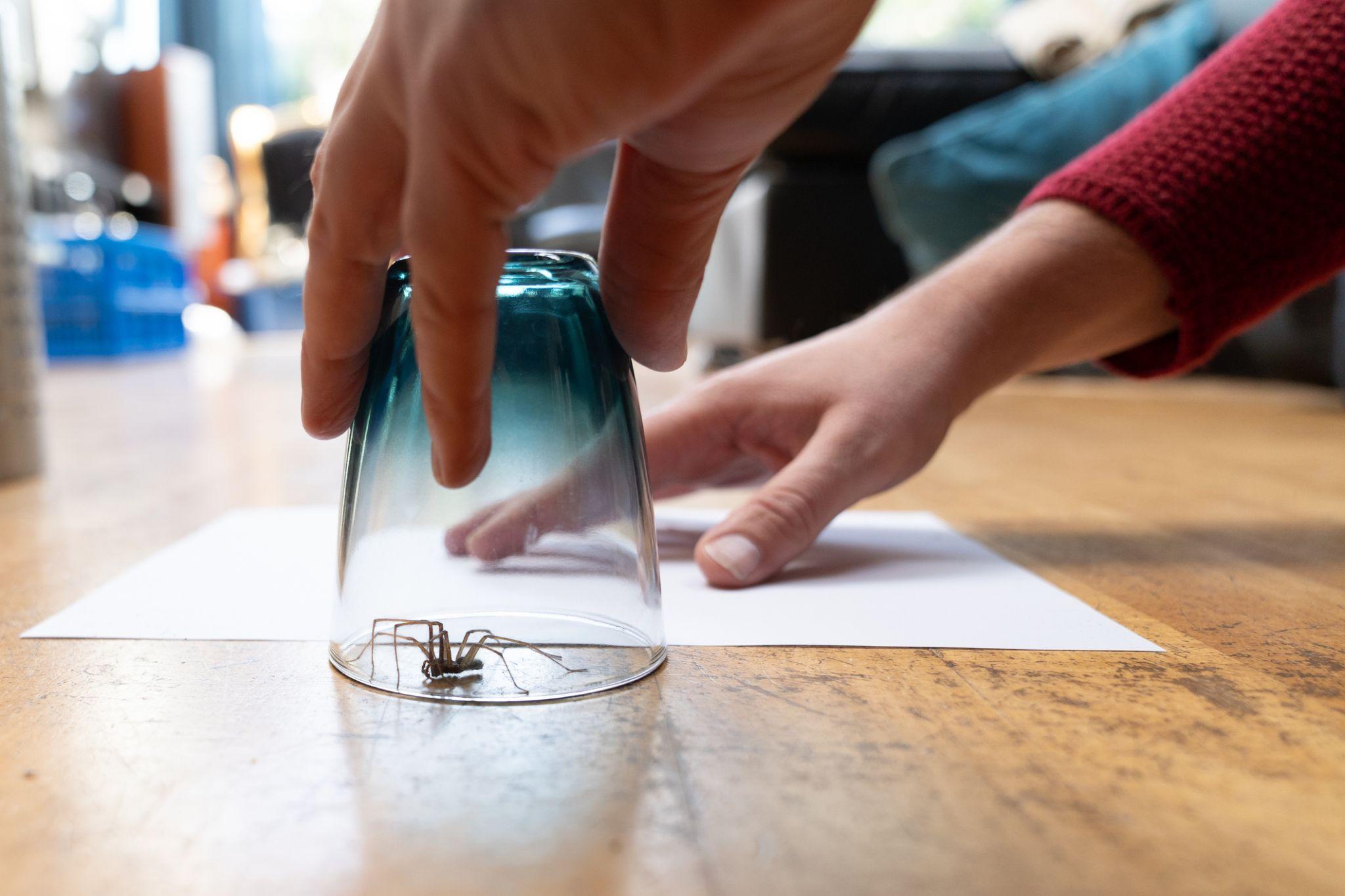

Quick Answer
Getting rid of spiders starts with removing what draws them in: insects, clutter, and easy entry points. Seal gaps around windows, doors, and the foundation, then vacuum webs and egg sacs regularly. Cut back plants touching your home and switch to yellow outdoor bulbs to attract fewer bugs. For heavy or recurring problems, a licensed professional can treat the source and keep spiders from returning.
Introduction
You flip on the basement light and there it is — a web strung across the corner that definitely wasn’t there yesterday. For most Calgary homeowners, that little jolt is a familiar one, especially as the weather cools and spiders look for somewhere warm to settle in.
The good news is that keeping them out has less to do with panic and more to do with a few smart habits. If webs and sightings have become a regular thing, learning how to get rid of spiders properly is worth the effort, but plenty of the work happens before it ever gets to that stage. A tidy, well-sealed home simply gives these eight-legged guests fewer reasons to move in.
So the real trick is making your place uninviting on purpose. Close the gaps, clear the clutter, and cut off their food supply, and you take away nearly everything a spider is looking for.
Why House Spiders Sneak Indoors and Where They Nest
Before you can evict spiders, it helps to understand what pulled them indoors in the first place. Spiders rarely wander in by accident. They follow food and comfort, and a typical home offers both. Cold Alberta winters push them toward warm, sheltered spots, while every unsealed gap acts like an open door.
The single biggest draw is other bugs. Spiders eat insects, so wherever flies, moths, or ants gather, spiders soon follow. Clear out their prey and you remove the buffet that keeps them around.
Their Favourite Hiding Spots
Spiders favour quiet, undisturbed corners where they can spin and wait. Common hotspots include:
- Basements, crawl spaces, and utility rooms
- Garages, sheds, and attic corners
- Closets, storage boxes, and cluttered shelves
- Window wells and gaps behind exterior siding
Sealing Cracks and Entry Points
Your home’s exterior is the first line of defence, and small openings add up fast. Walk the perimeter and look closely at where pipes, wires, and vents pass through walls.
|
Entry Point |
What to Look For |
Quick Fix |
|
Foundation |
Hairline cracks and gaps |
Fill with quality caulk |
|
Doors |
Worn or missing sweeps |
Install fresh weather stripping |
|
Windows |
Torn screens, loose frames |
Repair screens, reseal edges |
|
Vents and pipes |
Open gaps around openings |
Seal with mesh or caulk |
Sealing pays off twice in our climate. It blocks spiders and keeps winter drafts out. Once the openings are closed, the next step is making the inside far less appealing.
Cleaning Away Webs, Egg Sacs, and Clutter
A clean home is a poor host for spiders. Vacuum regularly, reaching under beds, couches, and appliances where webs and egg sacs collect. Wipe down corners, ceilings, and window frames, and clear stacked boxes, old papers, and unused clutter that offer prime hiding spots. The less debris sitting around, the fewer places a spider can settle unnoticed.
With the interior handled, your attention shifts outdoors, where the real prevention work begins.
Yard Maintenance and Natural Deterrents That Keep Spiders Away
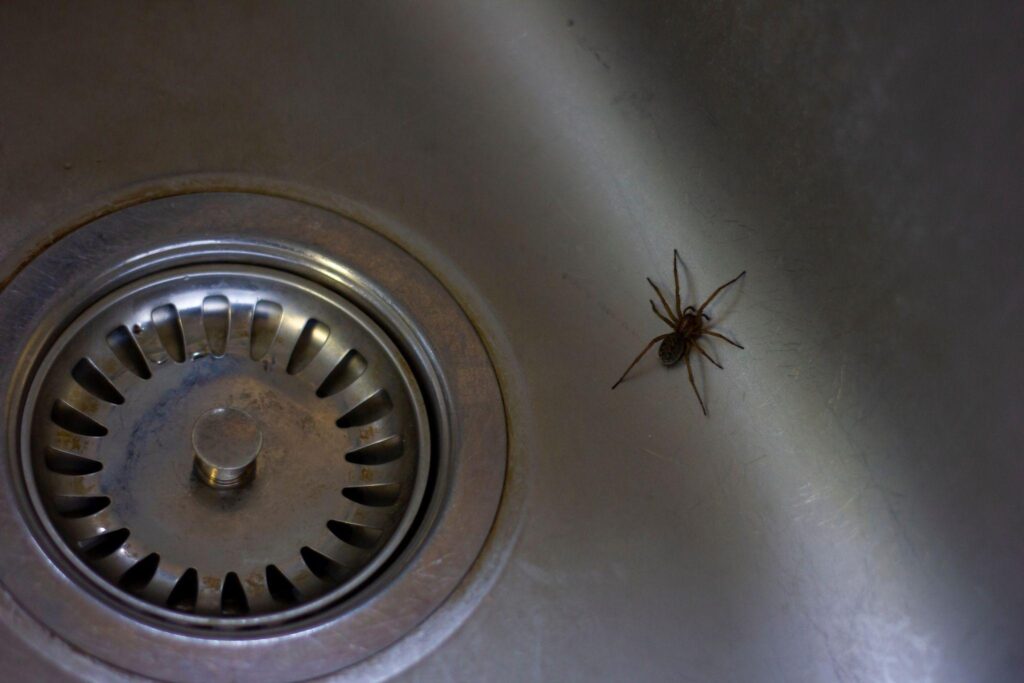
What happens outside your walls decides how many spiders ever reach the inside. The area right around your foundation is where they gather, breed, and search for a way in, so a little yard maintenance pays off indoors. A well-kept exterior removes the cover spiders rely on and cuts off the insects they hunt.
Start with the greenery. Shrubs, vines, and branches that touch your siding act as bridges straight onto the house.
- Trim bushes and tree limbs back 15 to 30 centimetres from exterior walls
- Pull weeds and keep garden beds tidy near the foundation
- Move firewood, bricks, and stored materials away from the house
- Keep a clear gap between mulch and your siding to reduce damp hiding spots
Lighting matters more than most people expect. Bright white bulbs pull in moths and other night insects, and those insects bring hungry spiders with them. Switching exterior fixtures to yellow-toned or LED bulbs makes your entryways far less of a magnet, and turning off unnecessary lights at night helps even more.
Some homeowners lean on natural deterrents for ongoing upkeep. A simple spray of equal parts white vinegar and water, freshened with a few drops of peppermint oil, can be misted along windowsills, door frames, and basement corners. Planting lavender or mint near entry points adds another mild layer of defence. These tricks won’t erase an established problem, but they slow new arrivals between deeper cleanings.
When webs keep reappearing despite your best efforts, or you spot a species you can’t identify, it’s time to bring in expert help rather than guess.
When Professional Treatment Makes Sense
DIY steps reduce spiders, but they rarely reach hidden nests and egg sacs tucked inside wall voids or high attic corners. Professional spider control Calgary technicians treat those overlooked zones and apply products formulated for local conditions, giving you longer-lasting results. If you ever encounter a bite that causes real pain or swelling, seek medical care promptly, then have the property inspected.
That balance of prevention and expert backup is what keeps a home consistently spider-free.
Keeping Your Calgary Home Spider-Free for Good
Getting spiders out of your home comes down to a steady routine, not a single dramatic effort. Seal the cracks that let them in, keep the inside clean enough that neither they nor their prey want to linger, and manage the yard so your foundation stops looking like a welcome mat. Each step chips away at the food, shelter, and access that draw them indoors in the first place.
Stay consistent and you’ll notice fewer webs, fewer surprises in the basement, and a home that feels like yours again. When a problem outgrows the do-it-yourself stage, a trusted local professional can step in and finish the job safely. Handle the small stuff early, and those eight-legged guests will have every reason to look elsewhere.